Removal and the Stories We Tell | Trail of Tears State Park | Cape Girardeau County, Missouri
Explore Trail of Tears State Park in Cape Girardeau County, Missouri to trace the myth of “Princess Ohtaki,” whose gravesite and story has long been enshrined at the center of the park, and about the ways the Cherokee Nation commemorates removal today.
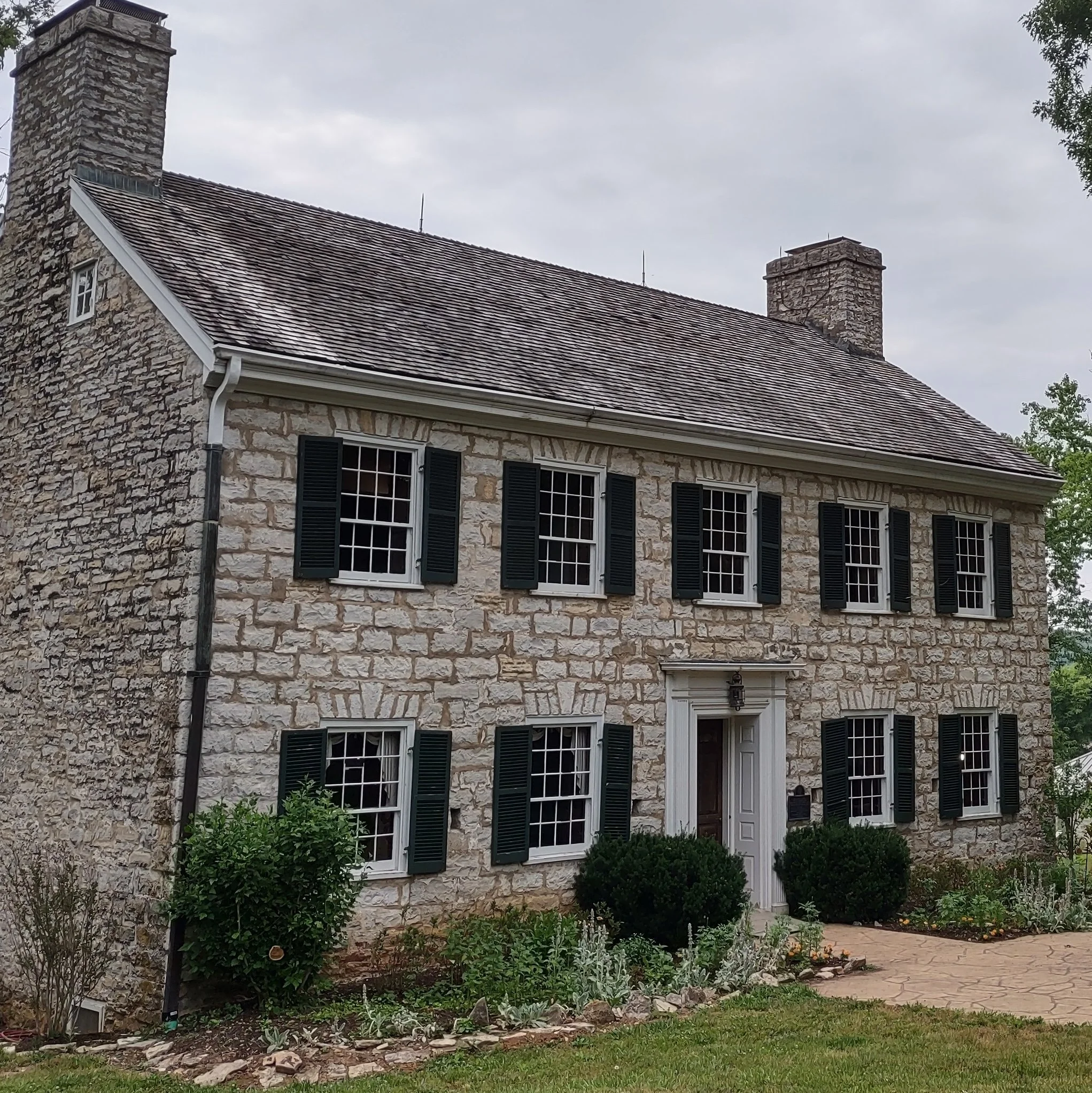
Behind the Frontier Story | Historic Daniel Boone Home | St. Charles County, Missouri
Visit the Historic Daniel Boone Home in Defiance, Missouri, to learn about women like Olive Vanbibber Boone who farmed and protected the homestead, the knowledge shared by Native Americans, and the enslaved laborers often left out of the frontier story.
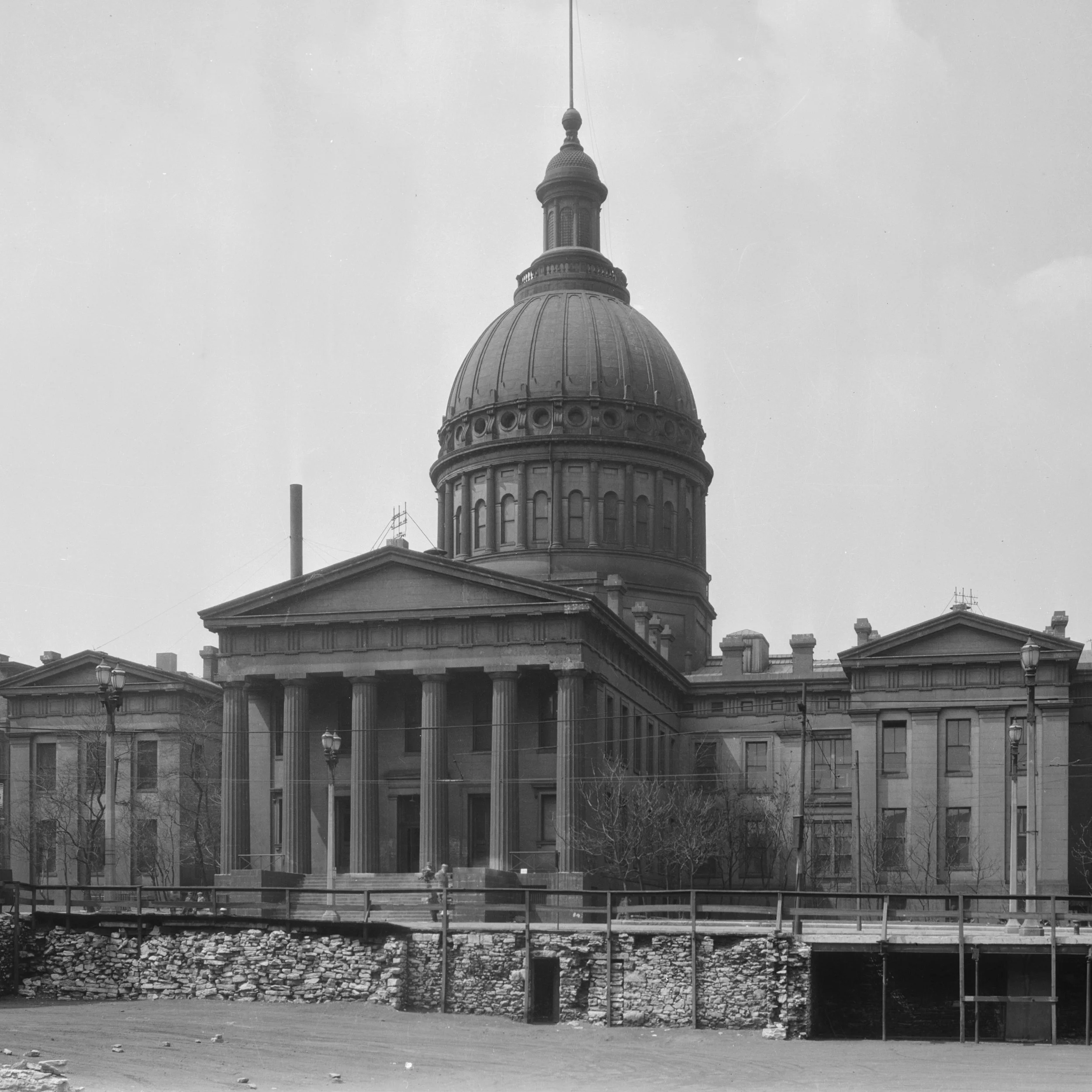
Women Demand the Right to Vote | Old Courthouse | St. Louis, Missouri
Visit The Old Courthouse in St. Louis, Missouri, to explore Missouri’s suffrage movement through the court case of Francis and Virginia Minor in 1875, and through the historic “Golden Lane” demonstration that took place in 1916 — both key turning points on the way to voting rights for women.
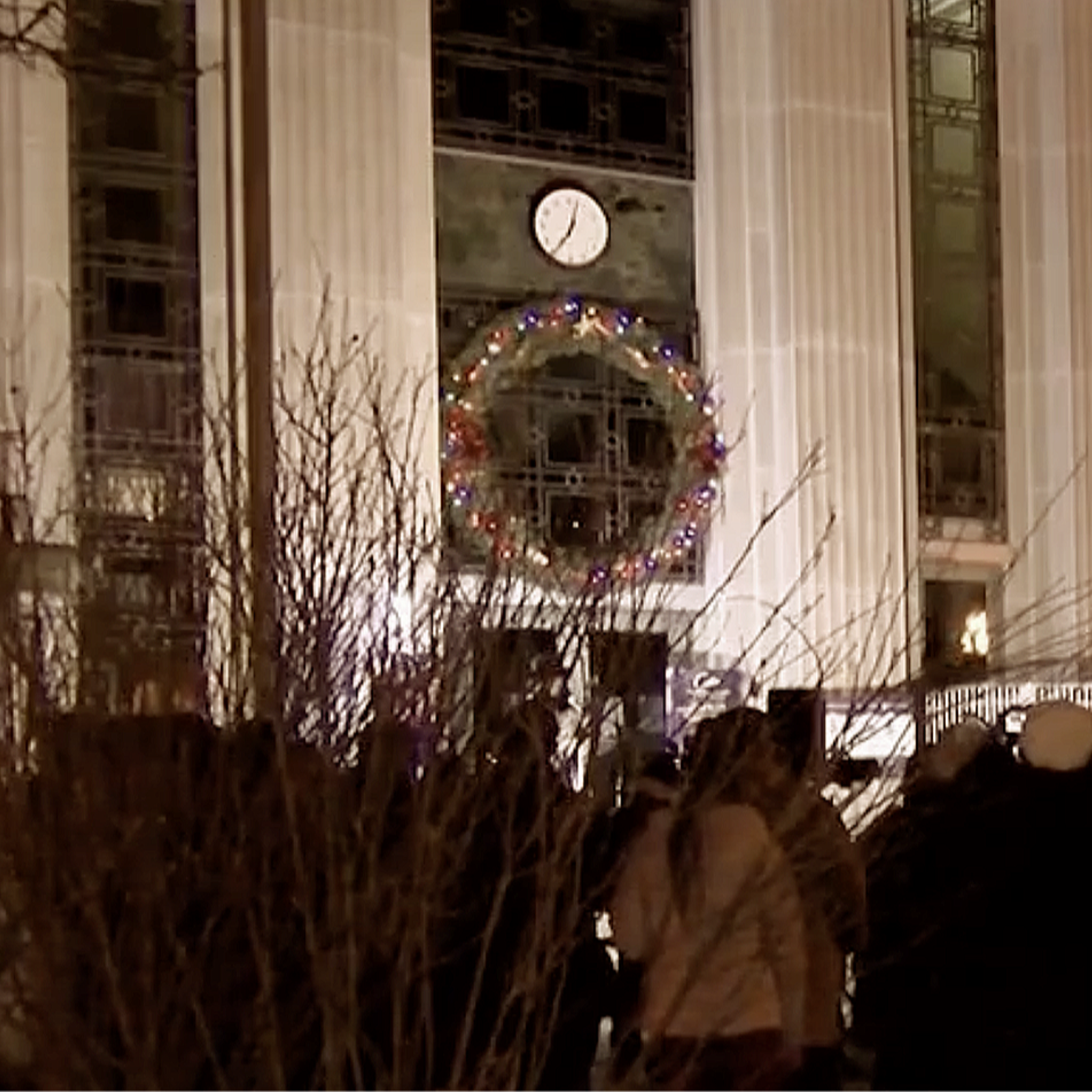
How to Honor an Ancestor | Fulton Courthouse | Callaway County, Missouri
Travel to the Fulton Courthouse in Callaway County, Missouri, to learn about Celia Newsom, an enslaved teenager convicted for the murder of her enslaver and — in 2024 — granted a historic pardon, following the efforts of her many descendants and her champions across Missouri.
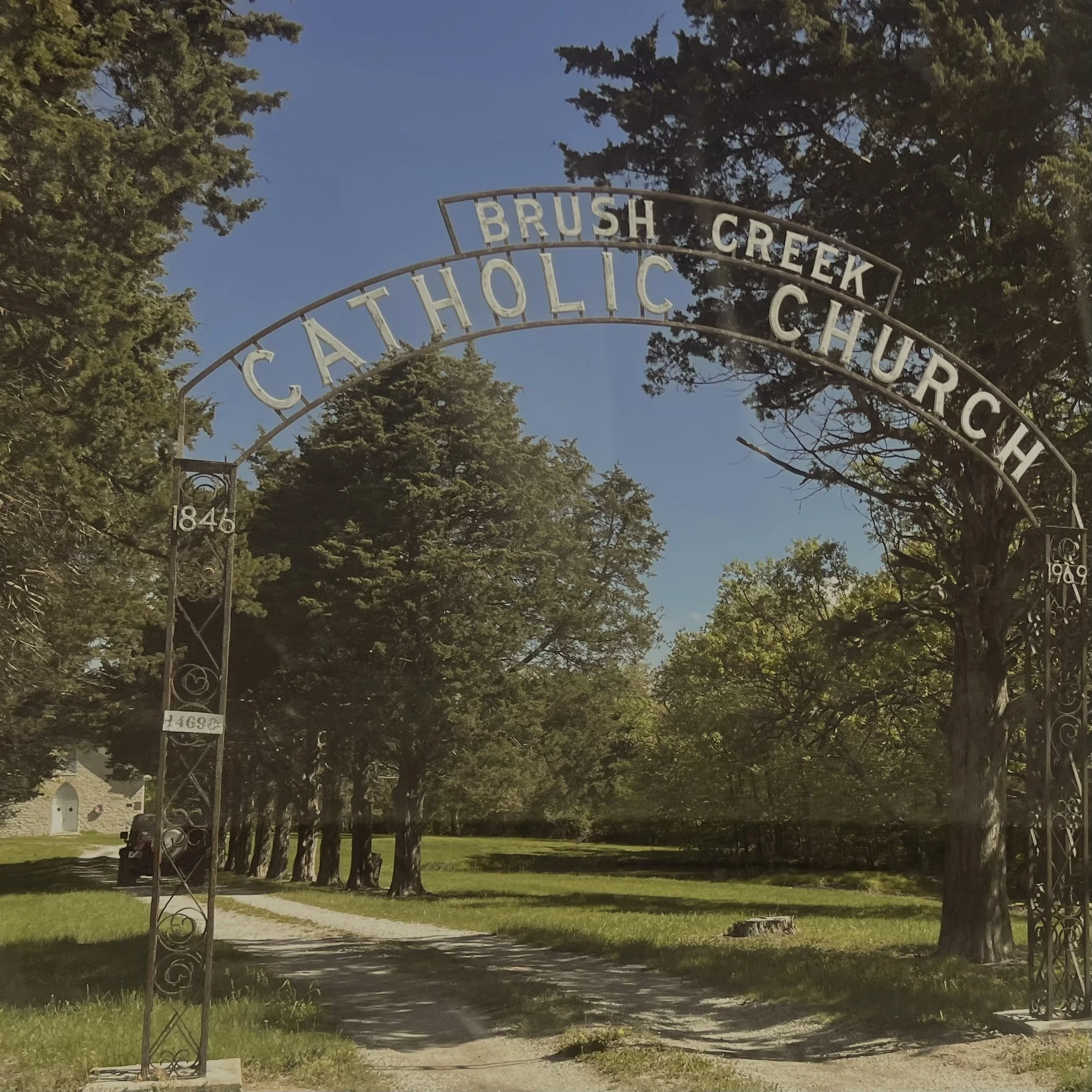
Martha Tolton's Fight for Faith and Freedom | St. Peter's Catholic Church | Ralls County, Missouri
Travel to Brush Creek in Ralls County, Missouri, to learn the story of Martha Jane Chisley Tolton, an enslaved woman who liberated herself and her three young children as the Civil War raged on. Her son, Augustus Tolton, would become the first known African American Catholic priest in the United States, and today is being considered for sainthood.
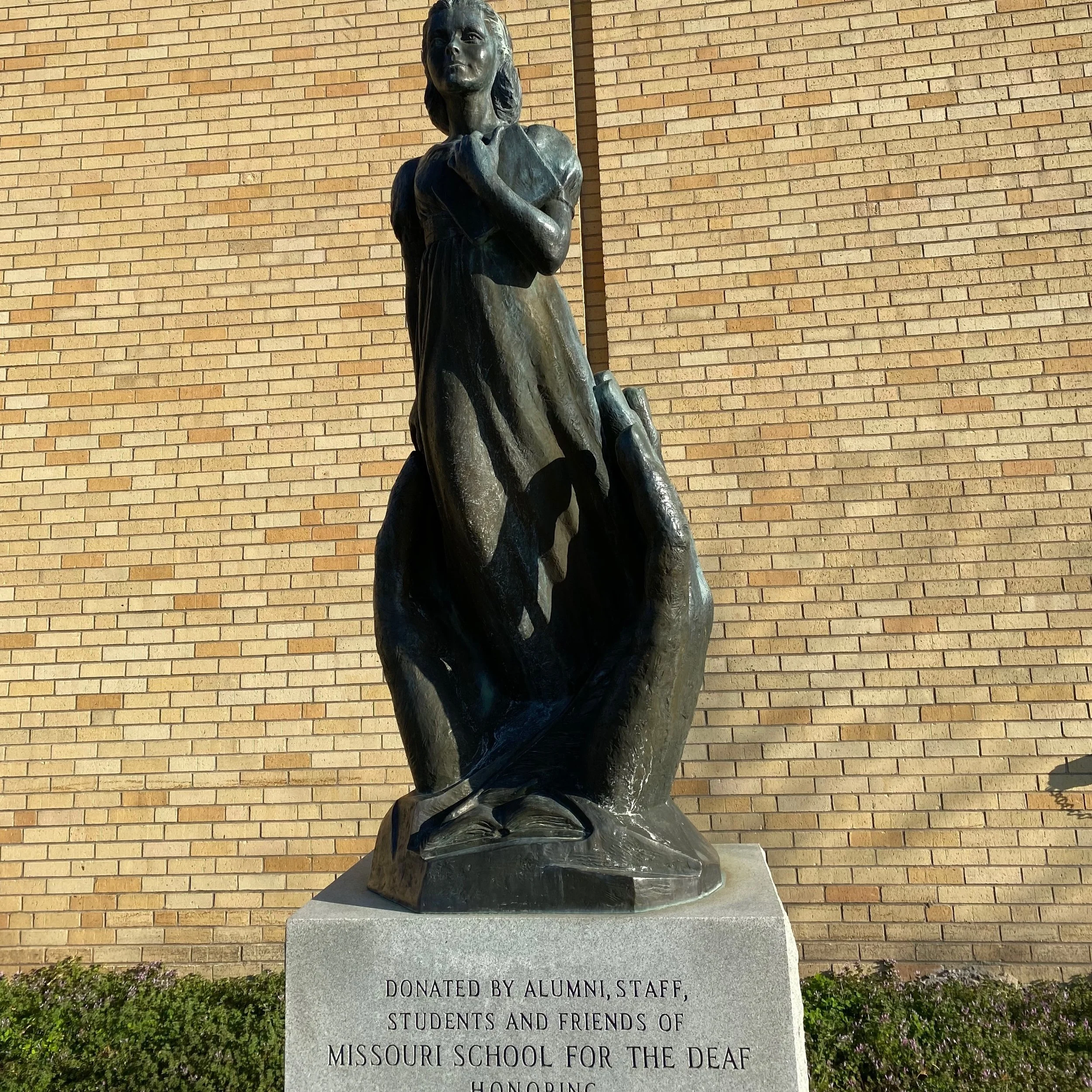
A Deaf Journalist in the Civil War | Missouri School for the Deaf | Callaway County, Missouri
Visit the Missouri School for the Deaf in Fulton, Missouri, to learn about the life of poet and journalist Laura Redden Searing. Educated at MSD after losing her hearing as a child, Searing later wrote under the pen name Howard Glyndon and became a Civil War correspondent whose poem “Belle Missouri” became a marching song for the Union Army.